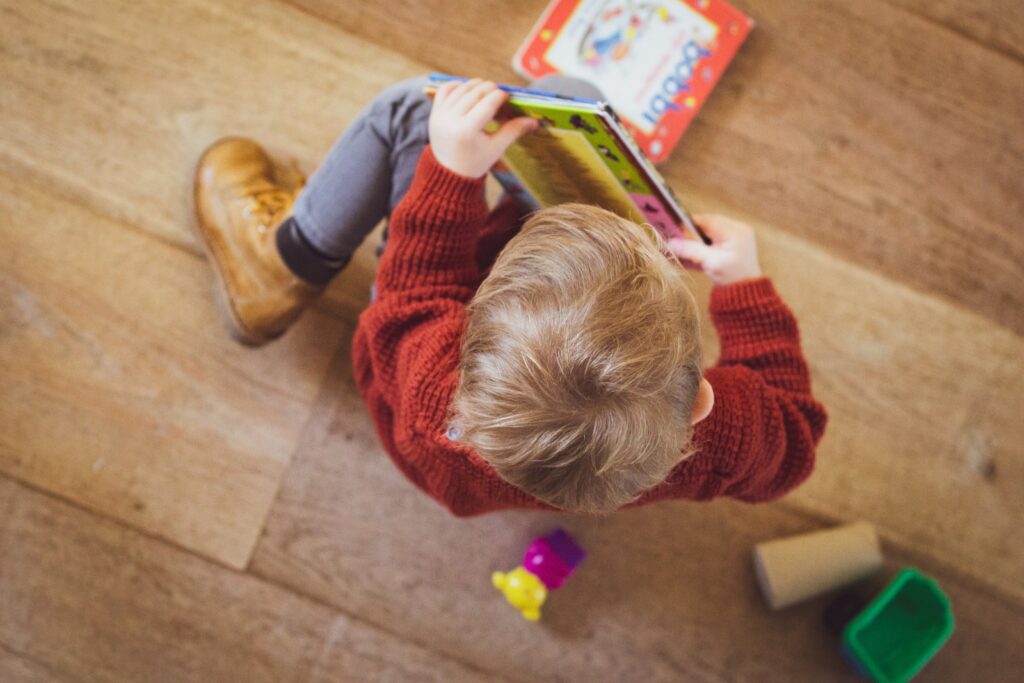
If there’s one thing you’ll always find in our home, it’s books scattered everywhere. On the bedside table, tucked under cushions, inside school bags, and sometimes even hidden beneath a blanket fort. As a mom, I’ve bought my fair share of toys, puzzles, and activity kits over the years. Some were played with for a week, some for a month. But books? Books have stayed.
They have helped us through nervous first days at school, friendship struggles, bedtime fears, endless “why” questions, and those big emotions that little children often don’t have words for.
My daughter is at that beautiful age where she can read independently but still loves cuddling up for a story together. Over the years, we’ve built a small collection of books that she reaches for again and again, not because I ask her to, but because she genuinely loves them. Some make her laugh out loud. Some start meaningful conversations. Some quietly teach life lessons about kindness, confidence, friendship, and emotions without feeling preachy. Whenever I share our bookshelf on Instagram, I get DMs asking:
“Which books should I buy for my 4-year-old?”
“What are some good books for early readers?”
“Which books help children understand emotions?”
So I thought I’d put together all our favourites in one place. These are not books chosen by experts or pulled from bestseller lists. These are books that a real child has tested, read countless times at bedtime, carried on road trips, and requested over and over again with a familiar, “Can we read this one again?”
If you’re building a bookshelf for a child between 4 and 8 years old, these are the books I would happily recommend to any parent.
| Book | Age Group | Best For | Buy |
|---|---|---|---|
| The Color Monster | 3-7 Years | Understanding emotions | View on Amazon |
| Ruby Finds a Worry | 5-9 Years | Managing anxiety | View on Amazon |
| In My Heart | 3-8 Years | Emotional awareness | View on Amazon |
Best Books for 4–8-Year-Old Kids: A Quick Mom-Approved List
| Book Title | Recommended Age | Life Skill It Builds | Why Kids Love It |
|---|---|---|---|
| Ravi’s Roar | 4–8 Years | Managing anger and big emotions | A relatable story about learning to calm down |
| Be Kind | 4–8 Years | Empathy and kindness | Encourages children to understand and support others |
| Perfectly Norman | 5–8 Years | Self-confidence | Celebrates being yourself and embracing differences |
| I Am Stronger Than Anxiety | 5–8 Years | Coping with worries | Helps children understand and manage anxious feelings |
| Little People, Big Feelings | 4–8 Years | Emotional awareness | Introduces emotions in a simple, child-friendly way |
| The Gruffalo | 4–8 Years | Imagination and problem-solving | A fun adventure filled with clever storytelling |
| Gajapati Kulapati | 4–7 Years | Reading confidence | Humorous and engaging for early readers |
| Room on the Broom | 4–8 Years | Friendship and teamwork | A delightful story about helping others |
| The Day the Crayons Quit | 5–8 Years | Creativity and self-expression | Funny, imaginative, and highly engaging |
| The Koala Who Could | 4–8 Years | Embracing change | Teaches resilience through a lovable character |
| What If? | 5–8 Years | Curiosity and growth mindset | Encourages children to explore new possibilities |
| Stick Man | 4–8 Years | Family bonds and belonging | A heartwarming story about finding your way home |
| The Rabbit Listened | 4–8 Years | Emotional support and empathy | Shows the importance of simply being there for someone |
| Last Stop on Market Street | 5–8 Years | Gratitude and perspective | Helps children appreciate everyday blessings |
| Sulwe | 5–8 Years | Self-acceptance and confidence | A powerful story about embracing who you are |
Mom’s Tip: If you’re starting an emotional literacy bookshelf, begin with Ravi’s Roar, The Rabbit Listened, and Be Kind. Together, these three books help children understand feelings, develop empathy, and learn healthy ways to express emotions.
1. Ravi’s Roar by Tom Percival
If there’s one book I find myself recommending to parents again and again, it’s Ravi’s Roar.
Ravi has one of those days that every child (and parent) recognizes, a day filled with disappointment, frustration, and overwhelming emotions. Unable to express how he feels, Ravi suddenly transforms into a roaring tiger. The moment is both powerful and relatable, making children instantly connect with his experience.
What I love most about this story is that it doesn’t tell children to “stop being angry.” Instead, it gently reassures them that anger is a normal emotion and helps them understand healthier ways to deal with those big feelings. As a parent, it also gave me a wonderful opportunity to talk to my child about what anger feels like and what we can do when it shows up.
This is one of those books that sparks meaningful conversations long after the story ends and earns a permanent place on the bedtime bookshelf.
Best for: Children aged 4–8 years
2. Be Kind by Pat Zietlow Miller
This book quickly became a favorite in our home and one we found ourselves reaching for again and again at bedtime.
What makes Be Kind so special is its simple yet powerful message: kindness doesn’t have to be grand to make a difference. Through relatable everyday moments, the story shows children how small gestures—sharing a toy, including someone who feels left out, offering a helping hand, or choosing gentle words—can have a lasting impact on others.
As parents, we often tell our children to “be kind,” but this book helps them truly understand what kindness looks like in real life. The beautiful illustrations and heartfelt storytelling make the message easy for young readers to absorb, and it naturally leads to meaningful conversations about empathy, compassion, and treating others with care.
Long after the final page is turned, the story stays with children, encouraging them to look for simple ways to spread kindness in their everyday lives.
Best for: Children aged 4–8 years
3. Perfectly Norman by Tom Percival
Perfectly Norman is one of those heartwarming books that gently remind children that their differences are often their greatest strengths.
Norman discovers that he has a magnificent pair of wings, but instead of celebrating them, he worries about what others might think. Determined to fit in, he tries to hide this special part of himself. As the story unfolds, children follow Norman’s journey toward self-acceptance and learn the importance of embracing who they truly are.
As a mom, I love how naturally this book opens conversations about confidence, individuality, and the pressure children sometimes feel to be “just like everyone else.” The message is uplifting without being preachy, and the vibrant illustrations make the story even more engaging for young readers.
It’s a beautiful reminder that we don’t need to hide what makes us different. In fact, those unique qualities are often what make us shine.
Best for: Children aged 4–8 years, especially those who are building self-confidence or learning to embrace their individuality.
4. I Am Stronger Than Anxiety by Elizabeth Cole
As parents, we often notice when our children seem worried, nervous, or overwhelmed, but helping them put those feelings into words isn’t always easy. That’s what makes I Am Stronger Than Anxiety such a valuable addition to a child’s bookshelf.
Through a relatable story and gentle, reassuring illustrations, the book helps children understand that worries are a normal part of life and that they don’t have to face them alone. It introduces simple coping strategies in a way that feels comforting rather than overwhelming, making complex emotions easier for young minds to understand.
What I appreciated most was how naturally it opened the door for conversations about anxiety. Instead of making worries feel scary, the story reassures children that their feelings are valid while giving them practical tools to build confidence and resilience.
For families navigating school worries, social anxieties, or everyday fears, this book can be a wonderful starting point for creating a safe space where children feel heard and supported.
Best for: Children aged 5–8 years who need help understanding and managing worries, fears, or anxious feelings.
5. Little People, Big Feelings Series
If I had to recommend just one collection for helping children understand their emotions, Little People, Big Feelings would be high on my list.
This thoughtfully curated series introduces children to a wide range of emotions—from happiness and excitement to sadness, anger, worry, and frustration—in a way that feels approachable and reassuring. Each book focuses on a specific feeling, helping children recognize, name, and better understand what they’re experiencing.
As parents, we often encourage our children to talk about their feelings, but that can be difficult when they don’t yet have the vocabulary to express themselves. That’s where this series truly shines. Through simple storytelling and engaging illustrations, it gives children the words and confidence to communicate their emotions more openly.
What I love most is that the books don’t suggest that certain feelings are “good” or “bad.” Instead, they gently teach children that all emotions are normal and that learning to understand them is an important part of growing up.
This is one of those collections that deserves a permanent place on the bookshelf and can be revisited again and again as children grow and their emotional world expands.
Best for: Children aged 4–8 years who are learning to identify, understand, and express their emotions.
6. The Gruffalo
Some books come and go, but The Gruffalo is one of those timeless stories that children happily listen to over and over again without ever losing interest.
The story follows a clever little mouse who uses his wit and imagination to outsmart the bigger animals he encounters in the forest. What begins as a simple walk soon turns into a delightful adventure filled with surprises, laughter, and one very memorable monster.
As a parent, I love that this book offers so much more than entertainment. Beneath the playful rhymes and captivating illustrations, children learn valuable lessons about creative thinking, problem-solving, and believing in themselves. The mouse may be small, but his confidence and quick thinking help him navigate every challenge that comes his way.
It’s one of those stories that sparks imagination long after the book is closed, often inspiring children to create their own adventures and make-believe characters.
Best for: Children aged 4–8 years who love imaginative stories, clever characters, and a little bit of adventure.
7. Gajapati Kulapati
If you’re looking for a book that guarantees giggles, Gajapati Kulapati is a wonderful choice.
A beloved Indian picture book, it has a simple yet hilarious storyline that instantly captures children’s attention. The playful illustrations, rhythmic storytelling, and repetitive text make it especially appealing to young readers who are just beginning their reading journey.
What I love most about this book is how naturally it encourages participation. After a few pages, children start predicting what comes next and happily join in, turning storytime into an interactive experience. It’s the kind of book that builds reading confidence without feeling like a learning exercise.
The humor is timeless, the language is easy to follow, and the familiar Indian context makes it even more relatable for young readers. No wonder it continues to be a favorite in homes, classrooms, and libraries across the country.
This is one of those books that children request again and again, not just because it’s funny, but because it makes reading feel fun.
Best for: Children aged 4–7 years, especially early readers who are building confidence and developing a love for books.
8. Room on the Broom
Room on the Broom is one of those magical stories that combines adventure, humor, and heart in the most delightful way.
The story follows a kind witch who welcomes a series of unexpected companions onto her broomstick. As the journey unfolds, children discover the value of friendship, teamwork, and helping others, even when it’s not the easiest thing to do.
What makes this book such a favorite in our home is its catchy rhymes and lovable characters. The rhythmic storytelling keeps children engaged from beginning to end, while the colorful illustrations bring the adventure to life. Before long, little readers find themselves joining in with the familiar phrases and eagerly anticipating what happens next.
Beyond the fun and laughter, the story carries a beautiful message about kindness, inclusion, and the idea that there’s always room for one more friend. It’s a gentle reminder that working together often makes us stronger than we are on our own.
Best for: Children aged 4–8 years who enjoy rhyming stories, imaginative adventures, and heartwarming tales of friendship.
9. The Day the Crayons Quit
The Day the Crayons Quit is one of the most creative and entertaining picture books we’ve read as a family.
The story begins when a young boy discovers that his crayons have gone on strike. Instead of coloring, each crayon writes a hilarious letter explaining its frustrations, complaints, and wishes. From an overworked red crayon to a neglected pink one, every character has a unique personality that children instantly fall in love with.
What makes this book so special is the way it encourages children to see everyday objects from a completely different perspective. The clever storytelling sparks imagination, inspires creative thinking, and shows young readers that there is often more than one way to look at a situation.
The humor keeps children laughing, while the playful illustrations make every page a joy to explore. It’s one of those books that entertains kids and adults equally, making it a favorite for family reading time.
Best for: Children aged 5–8 years who love humor, creativity, and stories that encourage out-of-the-box thinking.
10. The Koala Who Could
The Koala Who Could is a charming and reassuring story that gently helps children navigate one of life’s biggest challenges—change.
Kevin the koala loves his safe, predictable routine and prefers staying exactly where he is. But when unexpected events force him out of his comfort zone, he discovers that new experiences aren’t always as scary as they seem. Through Kevin’s journey, children learn that change can lead to growth, new friendships, and exciting opportunities.
As a parent, I appreciate how this story acknowledges children’s fears instead of dismissing them. The message is encouraging without being overwhelming, making it easier for young readers to relate to Kevin’s worries and celebrate his small steps toward confidence.
The playful rhymes, engaging illustrations, and gentle storytelling make this a delightful read, while the underlying message offers valuable reassurance during times of transition.
Best for: Children aged 4–8 years, especially those adjusting to a new school, a new sibling, a house move, or any significant life change.
Why We Invest in Books Instead of More Toys
Over the years, I’ve realized toys come and go; books stay. Some books have helped us discuss difficult emotions. Others have sparked laughter, imagination, and meaningful conversations.
The best part? Many of these books grow with your child. What they notice at age four is completely different from what they understand at age eight. That makes books one of the best investments a parent can make.
Frequently Asked Questions
Which books are best for a 4-year-old?
Ravi’s Roar, Gajapati Kulapati, Room on the Broom, and The Gruffalo are wonderful choices for younger readers.
Which books help children understand emotions?
Ravi’s Roar, I Am Stronger Than Anxiety, Little People Big Feelings, and The Rabbit Listened are excellent options.
Are these books available in India?
Yes. Most are available through Amazon India, local bookstores, and second-hand book communities.
Should I buy books or borrow them?
We do both. Some books become lifelong favorites and deserve a permanent place on the bookshelf. Others can be borrowed from libraries or book-sharing groups.
A Note From One Mom to Another
If you’re building your child’s bookshelf, don’t worry about having hundreds of books. Start with a few meaningful ones; read them slowly, repeatedly. Talk about the characters and ask questions.
Before you know it, those stories will become part of your family’s memories too.
Please do not forget to subscribe to our newsletter, and we promise not to spam you. Have you checked our parenting zone or recipe section? Also, if you like my work, don’t forget to follow me on INSTAGRAM.














These are nice suggestions and I’m definitely checking them out for my son.
Moving houses is always stressful even for adults. Handling kids at such time becomes so much more difficult. Reading is the best option to keep them calm. Your list of books is great, even for reading otherwise.
These are excellent recommendations, Kavita. Bookmarking your post for future reference. I am all for gifting books and these seem to be perfect.
Children’s literature has come a long, long way. So much inclusivity and sensitively portrayed characters. A very pertinent post.
It is so good to see books like these. They are a good way of teaching children while making it fun too. Thanks for sharing them.
Hey Kavita, superb list. I am going to share it with my daughter and am sure it would be beneficial for her…she is a bookoholic too like me (even am going to read them??dil toh bachcha hai ji??).
Definitely sounds some good recommendations for kids, and this oart of the world is raining like crazy
These are some helpful recommomendations Kavita. Sometimes when it gets difficult for adults to handle, these will be great. I’m sure they are good reads for kids anyway too.
These seem really good- will def recommend to my sister in law and friends with kids
We read little people big feelings, love it. Thank you for listing. Due to social media sometimes it is very difficult to choose the books.
My younger niece is having outbursts these days. I would love to share the books with her but she hates reading books. Are these available in audio book.