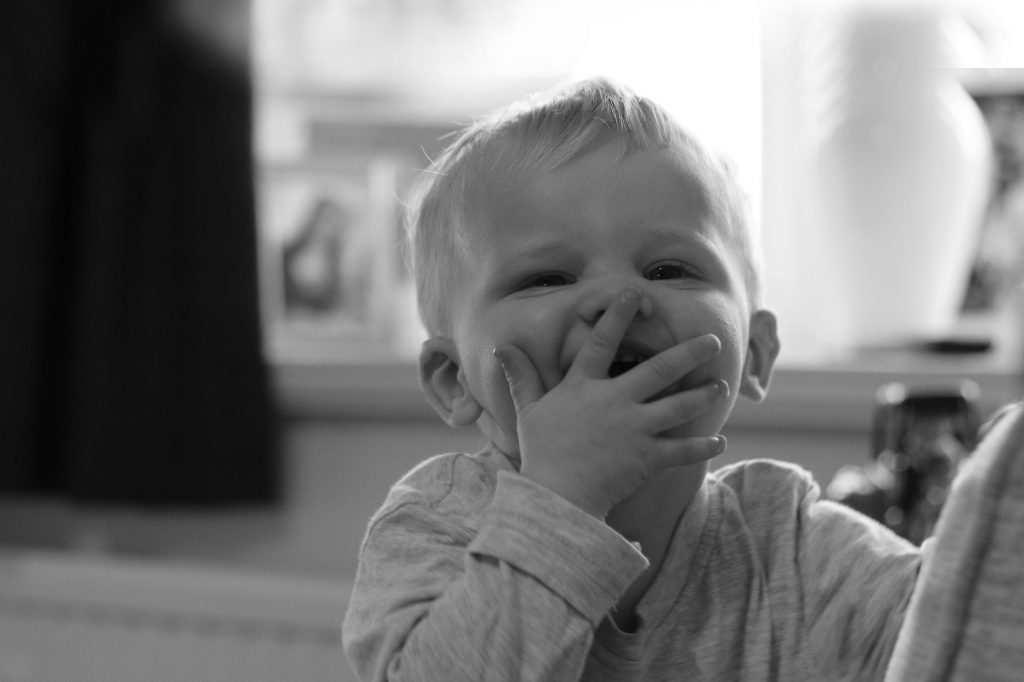
Dear readers, there’s a very specific kind of frustration that comes with parenting a baby who clearly has thoughts… but absolutely no words yet. If you’ve ever stared at your baby while they cry passionately, point vaguely at the universe, and reject every solution you offer one by one, you know exactly what I mean. Water? No. Milk? No. Snack? Definitely not. That random spoon they threw five minutes ago? Apparently yes. This is exactly the phase where I discovered baby sign language, and honestly, it felt like one of those parenting hacks nobody talks about enough.
I wasn’t trying to raise a tiny genius; this wasn’t some elaborate Pinterest parenting project. I was simply tired of both of us being frustrated, and surprisingly, baby sign language actually helped. If you’re an Indian parent wondering whether baby sign language works, what signs to start with, and whether it delays speech (spoiler: it doesn’t), here’s my real experience.
What Is Baby Sign Language?
Simply put, baby sign language is a way to help babies communicate their basic needs using simple hand gestures before they can speak clearly. It’s not about teaching your baby full formal sign language. It’s about practical everyday communication.
Simple signs like:
- milk
- more
- water
- all done
- eat
- sleep
- help
- book
Babies understand far more than they can verbally express. Baby sign language gives them another way to communicate before speech fully develops, and for frustrated parents, that can feel revolutionary.
Does Baby Sign Language Delay Speech?
This was my first concern, too. A lot of Indian parents worry: “If my baby uses signs, will they talk later?”
Short answer:
No.
In fact, baby sign language often supports communication development because babies connect the spoken word, visual gestures, and context. So if you consistently say, “Water” while making the sign, your baby begins associating meaning with communication more clearly.
Baby sign language supports communication; it doesn’t replace speech.
How We Accidentally Started Baby Sign Language
This was not part of some carefully researched parenting masterplan. It happened because I was exhausted, one of those days where my little one was clearly upset, clearly needed something, and I was playing the world’s least successful guessing game.
After multiple failed attempts, I repeated a simple gesture while saying “water.” Not because I knew what I was doing, just because tired motherhood encourages experimentation. A few days later, I saw tiny fingers attempt something suspiciously similar.
And suddenly? We had communication. Not the polished or perfect communication, but enough to reduce frustration. Honestly, it felt magical. Parenthood has a funny way of making tiny wins feel enormous.
Easy Baby Sign Language Signs to Start With
If you try this, keep it simple. Do NOT start with 20 signs.
Your baby is learning communication, not preparing for exams. Start with the most practical ones:
1. Milk
One of the easiest and most useful first signs, perfect for babies who feed frequently.
Make a loose fist and gently open and close your hand, like you’re milking a cow.
Use the sign every single time you say:
“Milk”. Consistency matters.
2. More
This became wildly useful. More snacks. More water. More play. More story. More chaos.
Bring the fingertips of both hands together, then tap them lightly against each other.
Babies LOVE this one.
3. Water
Especially helpful in Indian weather, where hydration becomes a daily negotiation.
Extend three fingers (like a W shape) and tap near your chin.
Once toddlers begin recognising routines, a familiar spill-proof water bottle can genuinely encourage independence, especially when they can reach for it themselves during playtime or snack breaks.
4. All Done
Underrated genius. Meal finished? Play over? No more mashed banana?
Hold both hands open with palms facing outward, then turn them slightly away from your body.
Very practical.
5. Eat
Another essential, food communication, becomes dramatically easier.
Bring your fingertips together and tap them gently to your lips, like putting food in your mouth.
Especially with babies who communicate hunger emotionally.
6. Sleep
Overtired babies are rarely subtle.
With fingers spread near your face, slowly bring your hand down as you close your fingers, like drifting off to sleep.
A simple sleep sign helps build recognition.
7. Help
As toddlers get older, this becomes surprisingly useful.
Place one hand flat, palm up, then place the thumb side of your other hand on top and lift both hands slightly upward.
Especially during toy frustration.
When Can You Start Baby Sign Language?
Many parents begin introducing baby sign language around:
6 to 9 months
Some babies understand earlier, and some imitate later. While some ignore your efforts completely until randomly surprising you one day. All normal. Not to mention, there is no gold medal for early signing.
How to Teach Baby Sign Language Without Making It Stressful
Let’s keep parenting pressure low; this should feel natural, not like a project.
Use Signs During Daily Routines
Best moments:
- feeding
- snack time
- bath time
- bedtime
- reading
Routine helps babies learn through repetition.
Always Pair Sign + Spoken Word
Always say the word. Example:
“Milk” + milk sign
This strengthens speech association, too.
Repeat Calmly
Not dramatically like a desperate theatre performance, trust me, gentle repetition works.
Be Patient
Some babies take weeks. Sometimes it feels like you’re performing unpaid hand choreography for no audience. Then suddenly, they respond.
What Actually Helped Us
Visual learning support made a difference. Simple tools help reinforce early communication naturally.
We found it more helpful to keep things simple rather than be overwhelmed with too many tools at once. A couple of favourites that naturally support early communication were first words board books, and baby flash cards, especially during quiet playtime or bedtime reading.
Helpful resources we’ve liked:
• Communication picture books
• Sensory learning toys for toddlers
These aren’t mandatory, just genuinely useful.
Meal Times Became Less Chaotic
One unexpected benefit? Feeding became easier and not magically peaceful. Let’s stay realistic, but less confusing.
If the baby wanted more food? There was communication. And so for a lot of other activities, like eating or wanting water. That phase is also where practical feeding gear helps.
Since so much toddler communication happens during meals, a sturdy feeding chair or toddler booster seat can really help create a calmer, more interactive mealtime routine. R for Rabbit has some practical, parent-friendly options too.
Common Baby Sign Language Mistakes Parents Make
Teaching Too Many Signs
Start with: 3–5 useful ones. Not 27.
Inconsistency
If signs keep changing, babies get confused. Consistency builds recognition.
Expecting Immediate Results
This takes repetition, like most parenting efforts.
Giving Up Too Soon
Progress often looks invisible… until suddenly it isn’t.
Did Baby Sign Language Reduce Meltdowns?
It did, for us, absolutely. Not every meltdown, let’s not oversell parenthood. But definitely some, because frustration often comes from the inability to communicate.
A baby who can express:
“more”
“water”
“done”
feels less helpless, and parents feel less overwhelmed. That matters.
What If My Baby Never Uses It?
That’s okay too. Parenting tools are options, not obligations. Some babies skip signs and move straight into speech, and some understand but never imitate. While some surprise you later.
No failure here.
Baby Sign Language in Indian Families (A Reality Check)
If you try this, someone in the family may absolutely say: “Arre itna chhota bachcha sign language kya seekhega?” Smile politely, then continue if it works for your child.
Indian parenting comes with many advisory committees. Not all are mandatory.
FAQs
Is baby sign language useful?
Yes. Baby sign language can reduce communication frustration before speech develops.
Does baby sign language delay talking?
No. It generally supports communication development.
What is the easiest baby sign to teach first?
Milk, more water, all done, and eat are the easiest.
At what age can babies learn sign language?
Many babies begin recognising simple signs between 6 and 9 months.
Do Indian parents use baby sign language?
Increasingly, yes, especially parents looking for practical communication tools during pre-verbal stages.
Parenthood often feels like trying to decode emotional Morse code from a tiny, unpredictable human. Baby sign language didn’t make communication perfect, but it gave us a bridge.
A simple and useful one, anything that reduces even one unnecessary meltdown deserves respect.
Please do not forget to subscribe to our newsletter; we promise not to spam you. Have you checked our parenting zone or recipe section? Also, if you like my work, don’t forget to follow me on INSTAGRAM.
















Pingback: Funny Things My Little One Has Said – Childhood Is A Bliss | MomTastic World
Pingback: Do you know Loneliness is a part of motherhood? | MomTastic World
Haha… You made me nostalgic about a few similar incidents that happened when my kids were that age!
Have always been intrigued by the sign language scene….Cute post….enjoy every bit of it…
Such an adorable write up. Loved it
Suchh posts make me reminisce my kids and their stages of all these special things that they did! Now that they are older .. all i can do is look back!
hahahah such an adorable little post!! Much love to baby V 🙂
This is so cute Kavita. Children are so pure and undiluted that they tell the truth and seems to be enjoying always.
Hhahaha….what cute & funny conversation.
Ha ha…. we dont mind kids saying these things, but imagine our spouse saying this & then our reactions.
Hilarious post. Loved the conversation.
That was a fun read. I really enjoyed reading it. I am sure all Moms can understand their baby’s sign language.
Wonderful Read… must say!
This was surely a fun read
Got to love their innocence!
This looks soooo cute!!
This is so funny. Mind well your kid is watching you ??
Well kids say the toughest things in the sweetest ways!
?