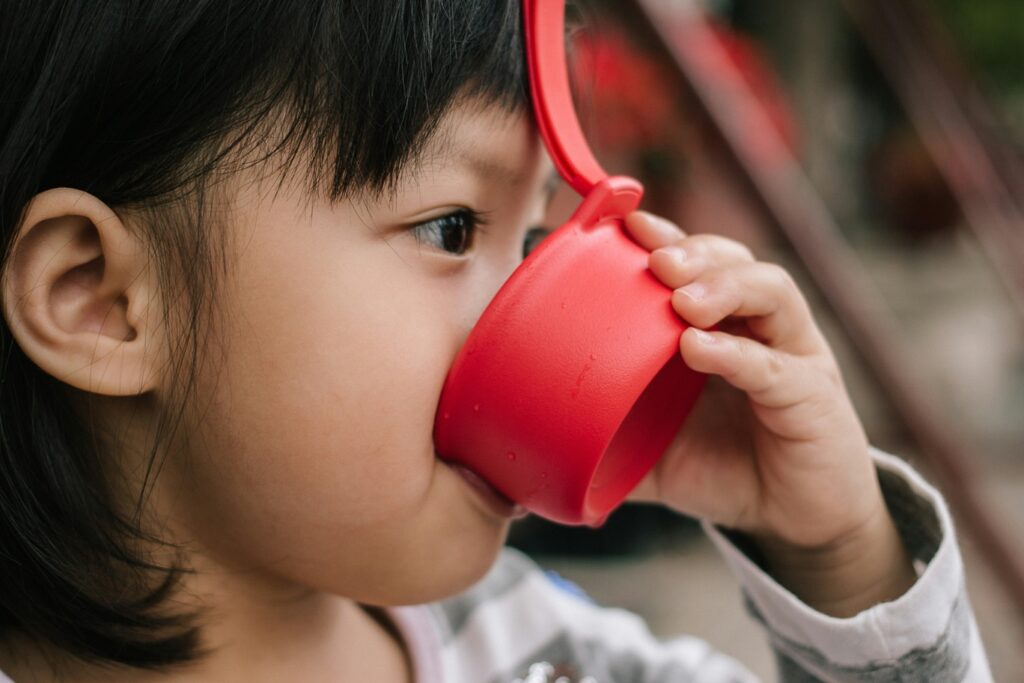

Dear readers, if your child is not drinking water and every reminder somehow turns into a mini negotiation, you’re definitely not alone. I’ve had days where the water bottle comes back almost full, but somehow the snack box is mysteriously empty, energy levels are still high, and I’m left wondering, “How is this tiny human functioning?”
Some kids happily sip through the day, while others act like taking a few sips of water is a deeply unreasonable request. If your child is not drinking water, especially during warmer days, school routines, or endless playtime, it’s natural to worry.
Well, the good news is that hydration doesn’t always have to look like finishing an entire bottle on command.
Why Do Kids Get Dehydrated So Easily?
Young kids often don’t recognise thirst the way adults do. By the time they say they’re thirsty, they may already be running low on fluids. Here are a few common reasons:
- They’re too busy playing
- Water feels boring compared to juice
- School schedules limit frequent sips
- Hot weather means more sweating
- Illnesses like fever, vomiting, or diarrhoea can quickly reduce fluids
Even mild dehydration can show up as crankiness, constipation, tiredness, or headaches.
Signs Your Child Is Dehydrated When Not Drinking Water
Watch for these early signs:
- Dry lips or sticky mouth
- Dark yellow urine
- Fewer bathroom visits
- Irritability
- Unusual tiredness
- Headache
- Dizziness
- Constipation
- Sunken eyes in younger children
If your child seems extra tired, won’t drink fluids at all, or hasn’t urinated for several hours, it’s worth seeking medical advice.
How Much Water Do Kids Actually Need?
A simple general guide:
| Age | Approximate Daily Fluids |
|---|---|
| 1–3 years | 4 cups |
| 4–8 years | 5 cups |
| 9–13 years | 7–8 cups |
Remember, fluids also come from milk, curd, fruits, soups, and other water-rich foods.
What To Do If Your Child Is Not Drinking Water
Because repeating “just drink water” rarely works.
1. Upgrade the bottle
Sometimes hydration is surprisingly about aesthetics.
A fun bottle, favourite character, flip straw, or leakproof colourful cup can make a surprising difference. My kids are far more likely to drink when the bottle itself feels exciting, whether it’s a kids’ insulated water bottle, a straw water bottle for toddlers, or an easy-to-carry school water bottle for kids.
2. Turn it into a game
Try making it playful: “Let’s take 5 little sips together.”
Or:
“Can your teddy drink faster than you?” Questionable parenting strategy, maybe, but definitely effective.
3. Make plain water less boring
If plain water keeps getting rejected like yesterday’s vegetables, try adding a little natural flavour. A few simple add-ins that kids may find more exciting:
- orange slices
- cucumber rounds
- fresh mint leaves
- lemon slices
- tiny watermelon cubes
Suddenly it’s not “just water” anymore… It’s special water, and sometimes that’s all it takes.
4. Offer hydrating foods
Not all hydration has to come from repeatedly asking your child to finish their water bottle (because we all know how that usually goes).
I’ve realised some kids are simply better at snacking than sipping, and honestly, that still works in our favour. On days when water gets ignored, I feel a little better knowing they’re getting fluids through things like watermelon, muskmelon, cucumber, oranges, grapes, strawberries, curd, chaas, homemade soup, or even coconut water.
Sometimes motherhood is just creatively hydrating tiny humans without making it obvious.
5. Create hydration checkpoints
Instead of reminding them randomly all day (and sounding like a slightly dehydrated parrot yourself), try turning hydration into a simple little routine they can actually enjoy.
We’ve had better luck with a homemade hydration chart where kids can tick off their “sip moments.”
- after waking up
- before school
- after outdoor play
- before screen time
- with afternoon snacks
- or before bed.
Let them decorate it with stickers, doodles, favourite characters, or even silly rewards they invent themselves. Somehow, the same child who ignores “drink water” may become deeply invested in completing their hydration mission for the day. Kids love ownership, and moms love fewer negotiations.
6. Let them copy you
Children imitate what they see. If you’re carrying tea in one hand and forgetting your own water bottle… they notice. Visible hydration works.
Bonus Healthy Hydration Recipes Kids May Actually Like
1. Watermelon Mint Cooler
Ingredients
- 2 cups watermelon
- a few mint leaves
- splash of lemon
- ice cubes
Method
Blend everything till smooth and serve chilled. Perfect for hot afternoons.
2. Coconut Water Popsicles
Ingredients
- fresh coconut water
- chopped fruit pieces
- popsicle moulds
Method
Pour the coconut water into popsicle moulds, add a little fruit pieces if your child enjoys them, and freeze until set. On especially hot days, these have felt less like a “hydration strategy” and more like me winning at parenting.
If you don’t already have one, a good popsicle mould set is one of those small kitchen things that gets surprisingly regular use.
3. Homemade Lemon Electrolyte Drink
Helpful during mild heat exhaustion or sweaty outdoor play.
Ingredients
- 1 glass of water
- squeeze of lemon
- pinch of salt
- a small amount of honey (only for children over 1 year)
Mix fresh and serve.
4. Curd Berry Smoothie
Ingredients
- 1 cup curd
- berries
- half banana
- a little chilled water
Blend till creamy. Hydration + snack = parenting win.
5. Fruity Ice Cubes
Freeze:
- watermelon puree
- orange juice
- mashed kiwi
Drop into water for instant excitement. Tiny things make kids suspiciously cooperative.
School Hydration Hacks for Busy Moms
If your child is school-going:
- Pack an easy-open water bottle your child can manage independently
- Freeze half the bottle overnight so the water stays cooler longer
- Add a fun reminder sticker if your child needs hydration cues
- Pack water-rich fruits like watermelon, oranges, or cucumber slices in lunch boxes with fruit compartments
- Choose insulated school water bottles during warmer months, so kids are more likely to actually drink
- Cute little extras like mini fruit forks can make snack hydration more appealing for younger kids
- Ask younger kids’ teachers to encourage sip breaks if needed
FAQs for parents
Why is my child refusing to drink water?
Kids may be distracted, dislike plain water, prefer sweet drinks, or simply not recognise thirst cues yet.
What drinks hydrate kids besides water?
Coconut water, chaas, milk, homemade smoothies, soups, and water-rich fruits can help support hydration.
Can kids drink homemade electrolyte drinks?
For mild situations, simple homemade hydration drinks can help, but persistent illness or dehydration symptoms need medical guidance.
What are the signs of dehydration in children?
Dry lips, dark urine, fewer bathroom visits, irritability, tiredness, constipation, dizziness, and weakness. Keeping kids hydrated doesn’t require Pinterest-level motherhood. Some days it’s infused water. Some days it’s watermelon bribery.
Some days, your child drinks water without drama, and you briefly wonder if you’ve cracked parenting. Other days, you’re offering watermelon, chaas, fruit pops, and negotiating “just three small sips” like it’s a peace treaty.
Either way, if your child is hydrated and you’ve kept your sanity mostly intact, that absolutely counts. Because let’s be honest, if we’re worrying about hydration today, tomorrow it’ll probably be snacks, screen time, or school mornings. If that sounds familiar, you might enjoy some of my other parenting reads below.
How Much Screen Time for Kids? Real Rules That Actually Work (Mom Guide)
Outdoor Activities for Kids in Summer (Low Effort, High Fun)
Please do not forget to subscribe to our newsletter, and we promise not to spam you. Have you checked our parenting zone or recipe section? Also, if you like my work, don’t forget to follow me on INSTAGRAM.