When I was expecting my first baby, I spent hours scrolling through baby shopping lists. Every article seemed to suggest buying dozens of outfits, matching socks, tiny shoes, fancy dresses, and accessories that looked adorable in photos. So I did what most first-time moms do.
I bought everything. From tiny dresses to cute little shoes with matching caps, and then my baby arrived.
Within a week, I realized that 80% of what I bought was unnecessary. The clothes I kept reaching for were the simplest ones: soft cotton jhablas, comfortable onesies, muslin swaddles, and easy-to-change pajamas.
By the time my second baby arrived, I had learned my lesson. This time, I skipped the fancy shopping and focused on what actually worked. If you’re preparing for your baby’s arrival, here’s the newborn clothes checklist I wish someone had shared with me.
The Biggest Mistake Most New Parents Make
Newborns don’t care whether they’re wearing a designer outfit or a simple cotton jhabla. Comfort is what we need to look for, and if you’re parenting in India, comfort becomes even more important because our weather can be unpredictable.
A baby born during a Delhi summer has completely different clothing needs compared to a baby born during monsoon season in Mumbai or winter in North India. That’s why I always tell expecting parents:
Shop for the weather, not for the wardrobe.
The Clothes I Used Every Single Day
Cotton Onesies
If I could choose just one clothing item for a newborn, it would be a good-quality cotton onesie. They’re comfortable, easy to change, and perfect for diaper changes; they work in almost every season.
For both my children, I ended up rotating the same few onesies repeatedly while the fancy outfits stayed untouched.
How many did I actually use: 6–8
Here are some of my recommendations that we have used for both our kids:
- Pampers Baby Dry Clothing Style Diapers
- Soft cotton onesies from brands like Luvlap, The Mom Store, and Carter’s
Front-Open Jhablas
If there’s one newborn clothing item I’d tell every Indian mom to buy, it’s front-open jhablas. My mom insisted I get a few before my baby arrived, and honestly, I wasn’t convinced I would even use them. A few days into motherhood, I was wondering why I hadn’t bought more! 😄
In those first few weeks, when your newborn feels impossibly tiny, and you’re still figuring out how to dress them without making them uncomfortable, jhablas are a lifesaver. Since they open from the front, you don’t have to pull anything over your baby’s head — which makes those frequent changes much easier.
They’re also great for Indian summers because they’re lightweight, breathable, and leave the umbilical cord area relatively undisturbed. Look for soft cotton fabric and avoid anything with rough seams, tight elastic, or scratchy embellishments.
How many did I actually use?
I found 4–6 jhablas to be more than enough to keep in rotation, especially when you’re doing frequent diaper and spit-up changes.

My picks
I’ve linked a few newborn-friendly cotton jhablas below that you can check out if you’re building your baby’s wardrobe:
👉 Front-Open Cotton Jhablas – Check Price on Amazon
Cotton Pajamas
Babies kick and wriggle a LOT, especially during diaper changes! Soft cotton pajamas became an everyday essential for us. I preferred loose-fitting bottoms with gentle elastic waistbands; anything tight was an immediate no.
Newborn sizing tip
Don’t stock up on too many 0–3 month clothes before your baby arrives. Newborn sizes vary between brands, and some babies outgrow them within weeks. I’d suggest buying a few newborn/0–3M pieces and more 3–6M sizes so you have room to grow.
How many did I use: 4–6 pairs
👉 Shop Cotton Newborn Pajamas on Amazon
Muslin Swaddles
Technically not clothing, but honestly? I probably used muslin swaddles more than actual baby clothes! They became our multipurpose baby essential; we used them as light blankets, nursing covers, burp cloths, changing mats, and even emergency towels.
If you’re shopping for newborn essentials, don’t skip these. Soft, breathable muslin swaddles are incredibly useful, especially in Indian weather.
How many did I use: 4–6
👉 Shop Muslin Swaddles on Amazon
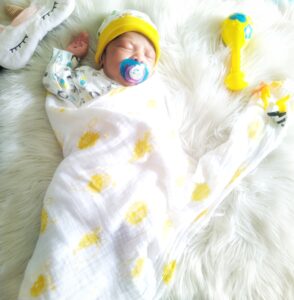
What Indian Summers Taught Me About Baby Clothes
My first baby was born when the weather was warm. I had bought several full-sleeve outfits because they looked adorable — big mistake.
Most days, my baby was happiest in:
- A lightweight cotton onesie
- A jhabla
- A muslin swaddle when needed
That’s it. Indian summers can be unforgiving; breathable cotton is your best friend.
Summer Essentials
✔ Cotton onesies
✔ Lightweight jhablas
✔ Muslin swaddles
✔ Thin cotton caps
❌ Synthetic fabrics
❌ Heavy blankets
❌ Thick layers
What Changed During Winter
Winter babies need layers, but not as many as people think. One piece of advice my pediatrician shared:
Dress your baby in one extra layer compared to what you’re wearing comfortably.
That advice saved me from over-layering.
Winter Additions
- Full-sleeve bodysuits
- Cotton inners
- Soft sweaters
- Socks
- Warm caps
- Sleep sacks
Monsoon Babies Need More Outfit Changes
If you’ve ever survived an Indian monsoon, you already know, humidity is relentless. Even when it’s not hot, babies can get sweaty. During monsoon season, I found myself changing clothes more frequently.
Monsoon Essentials
- Extra cotton outfits
- Quick-drying fabrics
- Additional swaddles
- Lightweight blankets
What I Bought But Barely Used
Here’s where I probably wasted money.
Newborn Shoes
Used once, for a photograph and never again.
Fancy Dresses
Beautiful, absolutely photogenic, and completely impractical.
Too Many Newborn-Sized Clothes
Babies grow fast, very fast, to be honest. Some outfits were outgrown before they were worn. If I could go back, I’d buy fewer newborn-sized clothes and add more 0–3-month sizes.
Newborn Clothes Checklist: What I Recommend Buying
| Item | Quantity |
|---|---|
| Cotton Onesies | 6–8 |
| Jhablas | 4–6 |
| Pajamas | 4–6 |
| Muslin Swaddles | 4–6 |
| Caps | 2–3 |
| Mittens | 2–3 |
| Booties | 2–3 |
| Socks | 3–4 pairs |
| Sweaters (Winter) | 2–3 |
My Favourite Fabrics for Newborns
| Fabric | Recommended? | Why |
|---|---|---|
| Cotton | ✅ Yes | Soft, breathable, comfortable |
| Muslin | ✅ Yes | Lightweight and versatile |
| Organic Cotton | ✅ Yes | Gentle on sensitive skin |
| Fleece | ⚠ Winter Only | Too warm for most Indian weather |
| Polyester | ❌ Avoid | Can trap heat and cause discomfort |
Frequently Asked Questions
How many clothes does a newborn really need?
In my experience, 6–8 everyday outfits are enough to start with. You’ll be doing laundry regularly anyway.
Should newborns wear mittens all the time?
Not necessarily. While mittens can prevent scratching, babies also benefit from exploring their hands and developing sensory awareness.
Which fabric is best for newborn babies in India?
Cotton and muslin remain the most practical options for Indian weather.
Is it okay to buy clothes before the baby arrives?
Absolutely. In fact, having essentials ready before delivery can reduce stress during the first few weeks.
Should I buy newborn size or 0–3 months?
Buy a mix of both. Many babies outgrow newborn sizes surprisingly quickly. Looking back, I wish someone had told me that newborns don’t need a huge wardrobe. They need comfort, soft fabrics, and parents who aren’t stressing over whether they bought enough clothes.
If you’re shopping for your little one, start with the basics and build gradually. Every baby is different, every season is different, and you’ll quickly discover what works best for your family. Trust me, the simple cotton onesie will probably become your most-used baby purchase.
Disclosure: This article may contain affiliate links. If you purchase something through one of these links, I may earn a small commission at no additional cost to you. This helps support Momtastic World and keeps the website running. I only recommend products and shopping options that I believe may be useful to my readers.
Please do not forget to subscribe to our newsletter, and we promise not to spam you. Have you checked our parenting zone or recipe section? Also, if you like my work, don’t forget to follow me on INSTAGRAM.