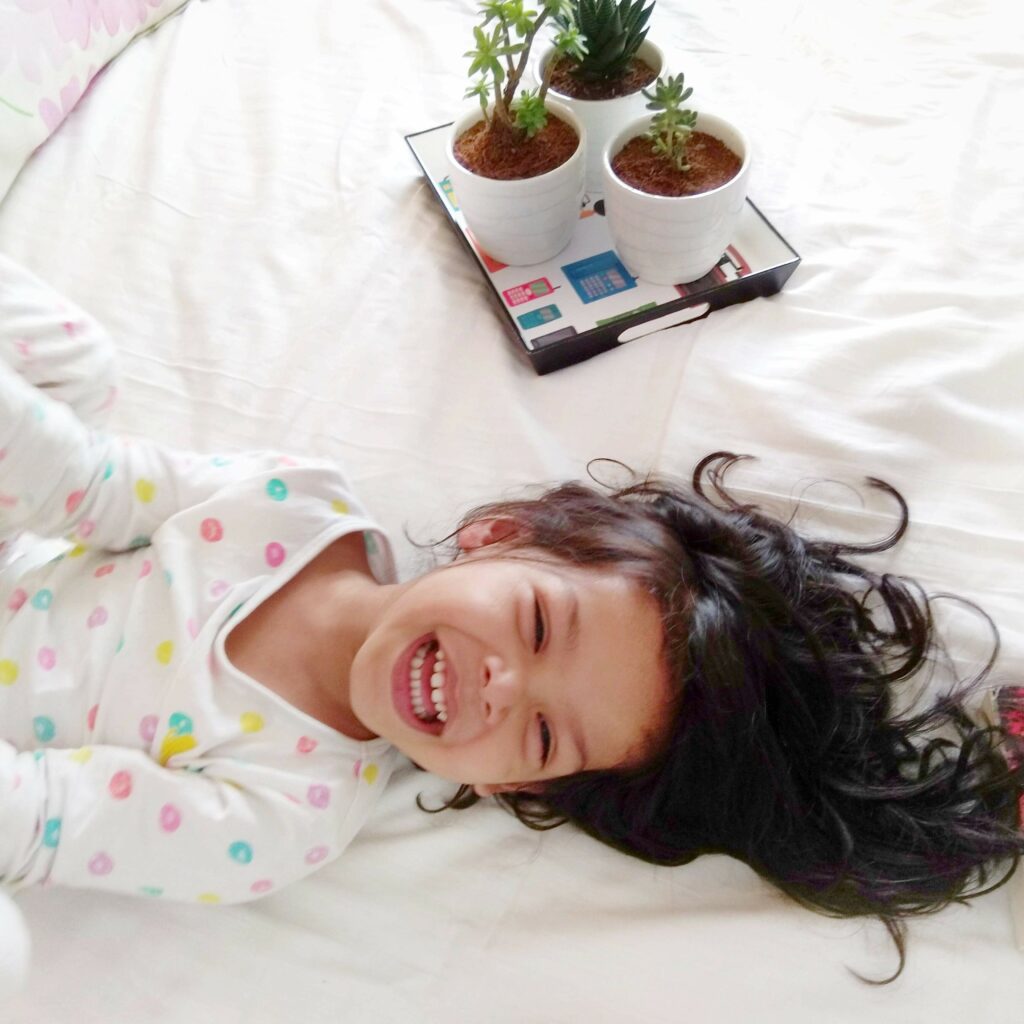
Dear readers, there was a time when I could almost predict it. A slight sneeze, followed by a runny nose, and within a day or two, we were back to cough syrups, steam, and restless nights. And every time it happened, the same thought would quietly sit in my mind, “Am I doing something wrong?”
I wasn’t feeding junk. I was trying. I was reading. I was asking other moms. But still, it felt like we were always one step away from falling sick again. And if you’re a mom, you know this feeling. That silent pressure to get it right.
The Day I Stopped Looking for a “Magic Fix”
I remember one particular week.
She had just recovered from a cold, and I was already planning what to change next: more fruits, more “immunity foods,” maybe supplements. And then it hit me, why am I treating immunity like something that can be fixed in a day? That’s when my approach slowly started changing.
Instead of searching for one powerful food, I started focusing on what her everyday plate looked like. Not perfect. Not fancy. Just… consistent.
Our Mornings Became Simpler (And That Helped More Than Anything)
Earlier, mornings felt rushed and slightly chaotic. Now they still are, but I’ve made them simpler. I stopped trying to make different breakfasts every day. Instead, I rotate a few things:
- cheela
- paratha
- simple toast + egg
- sometimes just milk and fruit
And I noticed something: when mornings are less stressful, kids eat better. And when they eat better, everything else falls into place.
The Comfort of Familiar Foods
One thing I’ve slowly come to understand is that kids don’t always need variety; they need familiarity. There was a time when I felt I had to keep changing meals every day, new recipes, different combinations, something “interesting” every day. But instead of making things better, it often made meals more stressful. For me, and for them.
Now, I lean into what feels familiar. Simple, everyday meals that they already recognise. Food that doesn’t need explaining. Food that feels like home. And along with that, I’ve started focusing more on small, consistent daily habits rather than “perfect meals.”
Things like:
- making sure they don’t skip meals
- keeping a rough routine around eating times
- offering freshly cooked food as much as possible
- encouraging them to eat without distractions
- and just sitting with them sometimes while they eat
These may sound like small things, but over time, they’ve made the biggest difference. Because I’ve realised it’s not always about what’s on the plate, but how regularly and calmly it’s eaten. When meals feel relaxed, familiar, and part of a routine, kids respond better. And honestly, it takes away a lot of pressure from us as moms, too.
The Fruit Battle (And How I Made Peace With It)
If there’s one thing that tested my patience, it was fruits. There were days she ate happily. And days she refused everything. Earlier, I would insist.
Now, I just… offer. Cut fruits. Keep them visible. Add them to smoothies. Pair them with something she likes. And I’ve realised less pressure leads to better acceptance.
The Snack That Quietly Helped
I didn’t realise how important snacks were until I started paying attention. Long gaps between meals = low energy + crankiness. So I started keeping small, easy options ready. Nothing complicated. Just a handful of nuts, sometimes a simple mix like murmre namkeen or homemade date bites. And over time, it became a habit. No forcing. No reminders.
Just something she reaches for. If I had to point out one thing that made the biggest difference, it would be this home-cooked food. Not fancy recipes. Not trending ingredients.
Just:
- dal
- rice
- sabzi
- khichdi
Meals that are warm, fresh, and familiar. There’s something about this kind of food that feels grounding. And I’ve seen how well kids respond to it.
Seasonal Changes (And Learning to Slow Down)
Earlier, I didn’t think much about seasons. Now I do. Not in a strict way, but just gently adjusting.
In winters:
- warm soups
- a little haldi milk
- slightly heavier meals
In summers:
- curd
- fruits
- lighter food
And I’ve noticed that when food matches the weather, the body seems to handle it better. Even now, there are days when things don’t go as planned. Meals get skipped. Snacks turn into biscuits. And sometimes, despite everything, she still falls sick. And on those days, that old thought tries to come back, “Am I not doing enough?” But now, I answer it differently.
There is no magical food but what matters is keeping the packaged food at bay as much as we can, kids observe and believe in what they see hence we had to change our eating habits too.
Redefining What “Strong Immunity” Means
Earlier, I thought strong immunity meant: never falling sick
Now I see it as:
- falling sick less often
- recovering faster
- staying active and energetic
And when I look at it this way, then I can actually see the difference. Do you know what changed? Neither the food nor the routine. It was my mindset. I stopped trying to control everything. I stopped chasing perfection. And I started trusting that small, consistent efforts do add up.
If You’re in That Phase Right Now…
If you’re constantly worrying about your child’s immunity, or if you feel like you’re trying everything and still unsure, just pause for a moment.
Look at what you’re already doing. The meals you cook. The care you give. The attention you bring every single day. Because that matters more than any one “superfood.” No one food builds immunity. But there is a pattern.
A pattern of:
- simple meals
- small habits
- consistent care
And over time, that pattern becomes a strength. So don’t stress over getting everything right. Just keep showing up. Because in the quiet, everyday things you do, you’re already building something strong for your child.
Please do not forget to subscribe to our newsletter, and we promise not to spam you. Have you checked our parenting zone or recipe section? Also, if you like my work, don’t forget to follow me on INSTAGRAM.
This post is a part of BlogchatterA2Z Challenge 2026