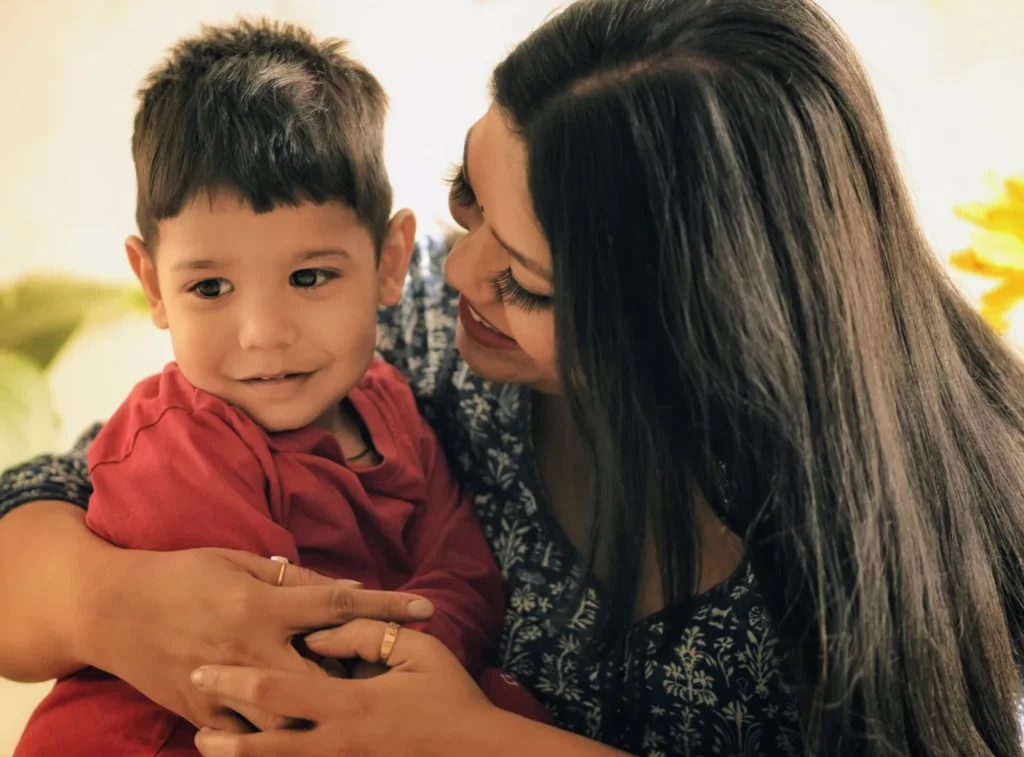
“Mumma, I’m bored… can I watch something?”
Dear readers, if you’ve heard this even once today, you’re not alone. In most Indian homes today, screens have quietly become the default solution. One video to finish work. Another way to get through a call. And before we realise it, hours pass; and so does that uncomfortable feeling of “maybe this is becoming too much.”
But here’s the truth: no one really says out loud Kids are not addicted to screens… they’re just out of better options.
And as moms, we’re not doing anything wrong. We’re just tired, stretched, and constantly juggling a hundred things at once. What changed things for me wasn’t removing screens overnight. That felt unrealistic.
What actually worked was having a simple, ready list of activities, things my kids could start with minimal help and continue on their own.
Because the moment kids are genuinely engaged, they stop asking for screens. No forcing. No guilt. No constant negotiation.
And the best part? These activities don’t need fancy setups or extra effort. They fit right into our everyday lives, between cooking, school runs, and those rare quiet moments we try to hold on to.
So here are some screen-free activities that actually work in real Indian homes, tested in the middle of chaos, not perfection.
1. The “Don’t Touch My Kitchen” Kitchen Play
This one started as a desperate attempt to keep my child busy while I cooked… and turned into a daily ritual.
Give them:
- Steel bowls
- Spoons
- Some atta or rice (in small quantity )
Let them mix, transfer, and pretend to cook.
It may look messy, but it builds:
- Motor skills
- Creativity
- Independence
And honestly? It keeps them engaged longer than most toys.
2. Art That Doesn’t Feel Like “Homework.”
Kids can sense forced activities from a mile away.
Instead of structured drawing time, try:
- “Draw your dream house.”
- “Make your own superhero.”
- “Design a tiffin for tomorrow.”
I’ve noticed that when there’s no pressure to be perfect, they enjoy it more.
Keeping a small art station ready with basics like crayons, sketch pens, and paper helps. Something like the Faber-Castell Art Kit becomes a lifesaver on long afternoons.
3. Quiet Reading Time (Even If They Don’t Read Yet)
This is less about reading and more about slowing down.
For younger kids, it could be:
- Looking at picture books
- Making up stories from images
I’ve realised this is not an instant win. It takes time. But once it clicks, it becomes one of the most calming parts of the day.
4. Indoor Movement Games (Because Energy Has to Go Somewhere)
Kids are not meant to sit still all day.
On days when going out isn’t possible, try:
- Jumping challenges (“Who can do 20 jumps?”)
- Pillow obstacle course
- Dance breaks
Sometimes we underestimate how much physical movement impacts their mood. A tired child is often a calmer child.
5. “Let’s Think” Games (Without Screens)
These are simple but surprisingly engaging:
- “I spy with my little eye…”
- Guess the object
- Memory tray game (show items, remove one, guess what’s missing)
No setup. No cost. Just a connection.
6. Involve Them in Real Life
This one changed everything for me.
Instead of saying, “Go play,” I started saying:
- “Help me fold clothes.”
- “Let’s arrange your cupboard.”
- “Can you set the table?”
Kids love feeling needed.
7. Gardening (Even in Small Spaces)
You don’t need a big garden for this. Even a few pots on the balcony work. Let them:
- Water plants
- Touch soil
- Observe growth
It teaches patience in a way no lecture ever can.
8. Pretend Play (Underrated but Powerful)
Kids don’t need fancy toys for this.
One dupatta becomes a cape.
A chair becomes a school.
A box becomes a kitchen.
Let them lead. This is where imagination truly grows.
9. Board Games & Family Time
Not everything has to be “productive.” Sometimes, just sitting together and playing:
- Ludo
- Snakes & Ladders
- Simple card games
creates the kind of memories we often underestimate.
10. Calm Time (Yes, Even Kids Need It)
We talk so much about activity, but rest is equally important. Try:
- Simple breathing exercises
- Lying down with soft music
- Storytelling before nap
It helps regulate emotions, something I’ve personally seen a huge difference in.
What I’ve Learned as a Mom that screen-free parenting is not about eliminating screens. It’s about:
- Creating alternatives
- Building habits
- And most importantly, being okay with imperfection
There are still days when screens save me, and I’ve made peace with that.
But what has truly helped is having a go-to list of activities that I can fall back on without overthinking.
Kids don’t remember how many hours they watch screens. But they do remember the day you made imaginary food together or the time you played Ludo and laughed, or maybe just the moment you sat beside them and just listened
And in the middle of all the chaos, that’s what really stays.
Please do not forget to subscribe to our newsletter, and we promise not to spam you. Have you checked our parenting zone or recipe section? Also, if you like my work, don’t forget to follow me on INSTAGRAM.
This post is a part of BlogchatterA2Z Challenge 2026